Our Strategy
Building One Connected Conservation Landscape
The Orange River–Karoo Conservation Area (ORKCA) believes that the long-term conservation of this remarkable landscape depends on restoring and reconnecting ecosystems rather than managing isolated protected areas.
Our vision is to create one connected conservation landscape through strategic land incorporation, voluntary partnerships with neighbouring landowners, meaningful community participation, sound governance and the development of a thriving wildlife and biodiversity economy.
ORKCA is not defined by the land it owns, but by the landscape it connects and the partnerships it builds. Through rewilding, collaboration and responsible stewardship, ORKCA is creating a resilient landscape that delivers lasting benefits for both nature and people.

Landscape Connectivity
Connecting land. Restoring landscapes.
ORKCA’s goal is to create one connected conservation landscape in which wildlife can move freely and natural ecological processes can function across property boundaries.
ORKCA achieves this by strategically incorporating key properties that strengthen ecological connectivity, while building voluntary partnerships with neighbouring landowners. Through collaborative agreements and the ORKCA Standard, independently owned properties can contribute to the wider conservation landscape while retaining their ownership and identity.
By combining strategic land incorporation with voluntary collaboration, ORKCA is progressively securing the ecological connections needed for a resilient and functioning conservation landscape.
Restore & Rewild
Bringing nature back.
Rewilding lies at the heart of ORKCA’s vision. Our objective is to restore the natural ecological processes that once shaped the Orange River–Karoo landscape, creating healthy and resilient ecosystems where indigenous wildlife and biodiversity can flourish.
Through habitat restoration, wildlife recovery and sound ecological management, ORKCA is restoring natural processes and enabling wildlife to move more freely across an increasingly connected landscape.
Rewilding provides the ecological foundation for a thriving wildlife and biodiversity economy that benefits both nature and people.

Monitor, Learn & Adapt
Science guiding action.
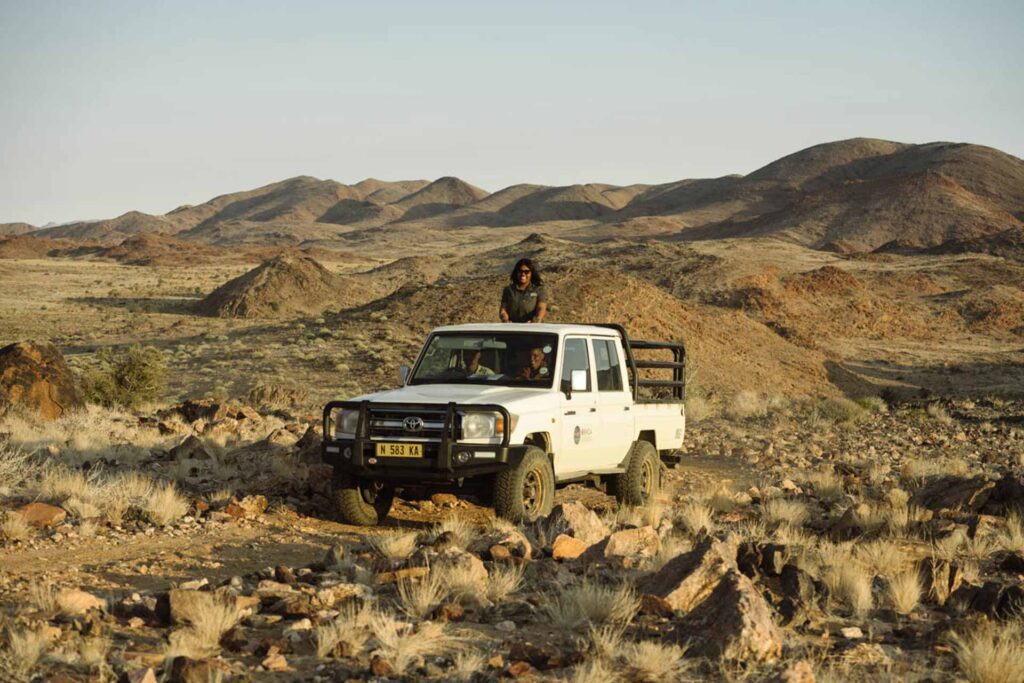
Sound science and adaptive management guide ORKCA’s conservation work. Through research, ecological monitoring and practical management, we continually build our understanding of the landscape and measure the effectiveness of our actions.
This knowledge informs wildlife and habitat management, conservation planning and day-to-day decision-making. By monitoring change, learning from experience and adapting our management accordingly, ORKCA ensures that conservation remains responsive, effective and evidence-based.
Strong governance and accountability underpin this approach, ensuring that conservation resources are managed responsibly and deliver measurable outcomes.
Engine for Sustainable Growth
Conservation creating opportunity.
ORKCA believes that conservation must create meaningful and lasting benefits for the people who live within the landscape. Local communities, land owners, conservancies and traditional authorities are therefore active partners in shaping and participating in conservation and sharing in the opportunities it creates.
Through capacity building, sustainable livelihoods, nature-based enterprise and responsible tourism, ORKCA seeks to grow a thriving wildlife and biodiversity economy that creates local opportunities and attracts long-term conservation investment.
By ensuring that communities participate in and benefit from conservation, ORKCA is building local stewardship and a stronger foundation for the long-term sustainability of the landscape.
